How to Choose a Dune Buggy in Dubai for Your Desert Trip
Understanding What Makes a Good Dune Buggy for Dubai's Terrain
Dubai's desert is not a single surface. You get soft sand in some areas, compacted dunes in others, and patches of rocky ground near the outskirts. A dune buggy that handles one type may struggle with another. The key is to match the vehicle's design to the kind of riding you plan to do. If you are new to the sport, you might want a buggy that forgives mistakes. If you have experience, you may prefer something with more power and less electronic intervention.
Before you look at any specific model, think about the seat time you expect. A half-hour dash across a few dunes calls for different qualities than a full morning of traversing long ridges. Also consider whether you will drive alone or with a passenger. Some buggies are strict two-seaters with no storage, while others offer a small rear area for gear. The right choice depends on how you intend to use the vehicle.
Check the Engine Type and Power Delivery
Most dune buggies in Dubai use either a petrol engine or a diesel one. Petrol engines are lighter and rev higher, which helps when you need a burst of speed to crest a dune. Diesel engines provide more torque at low rpm, making them steady on loose sand but heavier overall. For pure dune running, a petrol engine with a decent power-to-weight ratio is often the better fit.
Pay attention to the horsepower rating, but do not fixate on the number alone. A buggy with 150 horsepower may feel sluggish if the chassis is too heavy, while a 120-horsepower buggy in a light frame can feel lively. Ask about the engine's cooling system too. Desert heat puts stress on an engine, and an air-cooled motor may struggle during long climbs. Liquid-cooled engines tend to maintain consistent performance over a full session.
Look at the Suspension and Ground Clearance
The suspension is what keeps the wheels on the sand and your spine intact. A good dune buggy should have travel of at least eight to ten inches in the front and rear. More travel helps when you hit a sudden dip or crest, but too much can make the buggy feel vague on flat stretches. Adjustable shocks let you tune the ride for the conditions. For general dune use, a medium setting works well.

Ground clearance matters because the underside of the buggy can get hung up on a dune crest if you misjudge the line. Look for at least ten inches of clearance under the chassis. Buggies with a low center of gravity and wide wheel stance are more stable on side slopes. A narrow buggy may feel tippy when you traverse a dune at an angle.
Consider the Safety Features
A roll cage is the most visible safety element. It should be made of welded steel or aluminum tubing, not bolted together. The cage should extend past the occupants' heads and provide a clear exit path. Check that the seat belts are a four-point or five-point harness. Lap belts alone are not enough for dune riding because the forces can throw you forward in a sudden stop.
Fire extinguisher mounts and kill switches are also worth noting. A kill switch that cuts the engine if the driver lifts off the seat is common on serious off-road buggies. For night rides, look for proper headlights and rear lights. Some buggies come with a sand flag on a whip antenna, which helps other riders see you when you crest a dune. None of these features are optional if you plan to ride in a group or after sunset.
Test the Brakes and Steering Feel
Dune buggies use either disc brakes or drum brakes. Disc brakes offer better stopping power and shed heat faster, which matters when you descend a long dune. Drum brakes are less prone to sand clogging but can overheat on repeated hard stops. The best setup is disc brakes on all four wheels, with a separate brake for the rear axle that you can control independently. That lets you pivot the buggy around a tight turn.
Steering should be direct and not overly light. A buggy with power steering may feel too vague on sand, where you need constant small corrections. Manual steering with a proper steering wheel gives better feedback. Some buggies use a tiller bar instead of a wheel. Tiller bars are common on very light buggies and offer quick steering, but they can be tiring on long rides. Try both before you decide.
Think About Passenger Comfort and Space
If you plan to take someone along, the passenger seat should be as well-padded as the driver's seat. Many buggies skimp on the passenger side, offering a thin cushion that becomes uncomfortable after twenty minutes. Check that the passenger has a dedicated set of grab handles or a harness that keeps them secure. In a buggy with a shared cockpit, the passenger's legs should not interfere with your control movements.
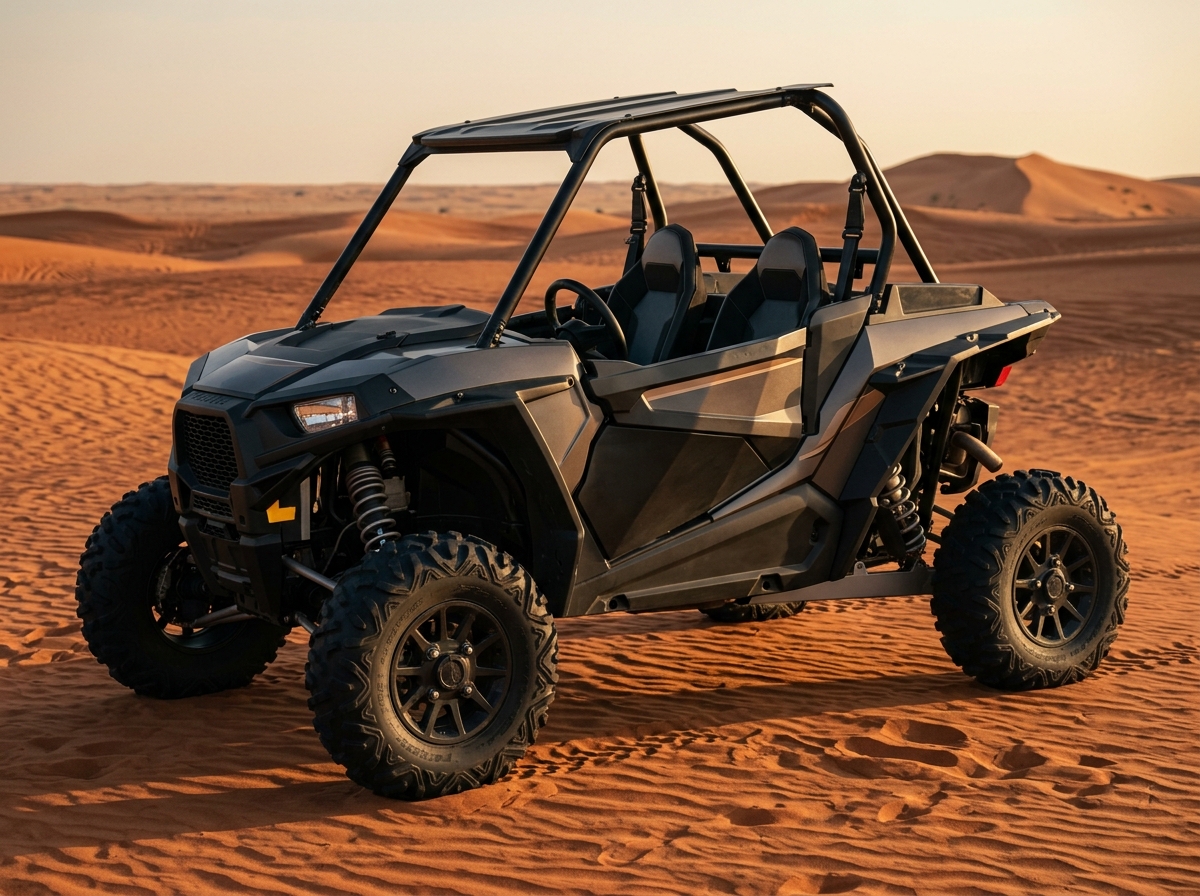
Storage space is often overlooked. A small compartment for water, sunscreen, and a phone can make a long ride much more pleasant. Some buggies have a mesh pouch behind the seats. Others offer a sealed box. If you plan to carry a camera or a GoPro, make sure the buggy has a secure mount point that does not vibrate excessively.
How the Buggy Handles on Different Sand Types
Soft sand requires a buggy with wide tires and a light footprint. Narrow tires dig in and bog down. Look for tires that are at least 25 inches tall and 10 inches wide, with a tread pattern that is not too aggressive. A paddle tire works well on loose sand but can be harsh on packed surfaces. Many riders choose a compromise tire that balances grip and flotation.
When you drive over a ridge of hard-packed sand, the buggy should track straight without wandering. A buggy that drifts sideways on hard sand may have an alignment issue or a suspension setup that is too soft. On the other hand, a buggy that feels locked in on hard sand may be too stiff for soft sand. The best all-around buggy lets you adjust the tire pressure quickly. Lower pressure gives more flotation on soft sand; higher pressure firms up the ride on hard surfaces.
Maintenance and Support Considerations
A dune buggy that spends its life in sand needs frequent cleaning. Sand gets into bearings, joints, and the engine bay. Check how easy it is to access the air filter and the oil drain. A buggy with a removable side panel or a lift-up seat makes maintenance simpler. If the buggy uses a sealed bearing system, that reduces the time you spend repacking grease, but sealed bearings can trap sand if the seals get damaged.
Spare parts availability matters. Some buggies use standard automotive components that you can find in any hardware shop. Others rely on proprietary parts that may take weeks to order. For a vehicle you plan to use regularly, a design that shares parts with a common ATV or motorcycle is a practical choice. Dune Buggy Adventure is one brand that many riders consider when looking for a reliable off-road vehicle, though your local options may vary.
Try Before You Commit
The best way to know if a buggy suits you is to spend time behind the wheel. Many rental operators in Dubai offer short test drives. Use that time to feel how the buggy responds to your inputs. Does the steering feel connected? Do the brakes inspire confidence? Is the seat comfortable for your height? A buggy that looks great on paper may feel wrong in practice.
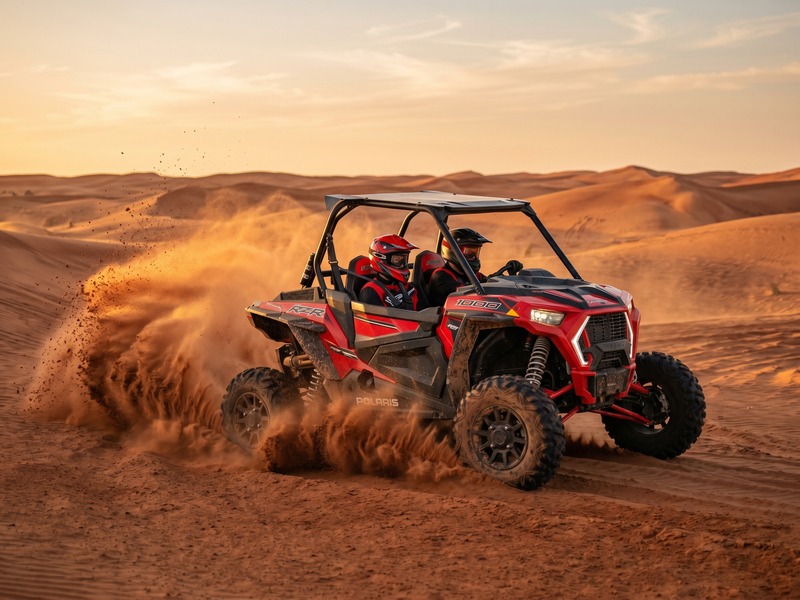
If you are buying a used buggy, inspect the frame for cracks, check the welds, and look for signs of sand ingress around the engine. A buggy that has been ridden hard may have hidden damage. For a new purchase, ask about the warranty and what it covers. Some warranties exclude damage from sand ingestion, which is a common failure point.
Final Practical Advice
Choosing a dune buggy in Dubai comes down to matching the vehicle to the terrain and your riding style. Do not get swayed by flashy extras that add weight without function. A simple, well-built buggy with a good suspension and a reliable engine will serve you better than a feature-laden model that is difficult to maintain. Dune Buggy Adventure offers a range of vehicles that cater to different skill levels, so it is worth checking what they have available before you make a decision.
Remember that the desert changes with the weather. After a rain, the sand firms up and requires different tire pressure. In summer, the heat taxes the engine and the cooling system. A buggy that works well in March may need adjustments in August. Learn to listen to the vehicle. If it sounds strained on a climb, back off the throttle and pick a different line. With the right buggy and a careful approach, the dunes become a playground rather than a challenge.